
Straightforward clear, $150–$300
A blockage in the pan or its bend, cleared in one visit during business hours. Most single-toilet blockages sit here.
One toilet down can stop a whole household. We get to Wahroonga jobs same-day, clear the blockage without redecorating your bathroom, and, when a toilet keeps blocking, put a camera down the line to fix the reason instead of the symptom.
A first-time blockage usually has a simple biography: wet wipes with marketing-department flushability, a cotton pad habit, something a two-year-old posted into the bowl. The right tool clears it in minutes and life resumes. Where households go wrong is the escalation path, hammering a plunger at something compacted deep past the S-bend, or tipping caustic chemicals in to sit against the porcelain waiting for the next person to plunge it into their face.
A toilet that blocks on a schedule is telling a different story, and it is rarely about the toilet at all. Between the mature street trees and the original earthenware sewers under Wahroonga’s older streets, root intrusion is the usual author, with sagging pipe runs and scale-narrowed clay in supporting roles. That is a drain problem wearing a toilet costume, and it is why our repeat-blockage answer is a CCTV camera first: pay once to fix the cause instead of monthly to admire the symptom.
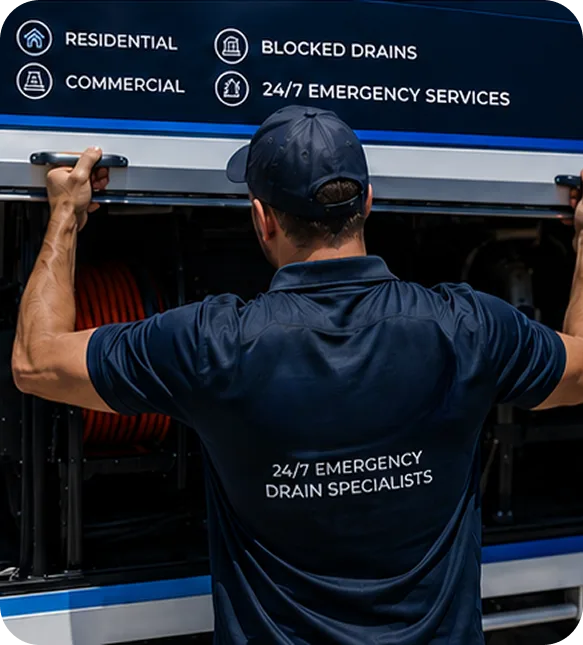

The suburb’s grand older homes often still run original earthenware and cast-iron pipes that corrode, crack and collapse, letting roots and debris slow every drain.
In a Federation or interwar home the drainage is frequently the last original system still in service. Kitchens and bathrooms have been redone two or three times; the pipe under the house has not been touched since it was laid.
That pipe is not necessarily failing. But it was designed around a household using a fraction of today's water, and its joints have had a century of ground movement to work loose.
Clay and earthenware were laid in short lengths with mortared or rubber-ring joints, and it is almost always the joints rather than the pipe that fail. Ground movement opens them a fraction, and a fraction is all a root or silt needs.
The pipe barrel itself is often in good condition after eighty years. That matters because it means the repair is usually about sealing joints, not replacing a run, a much smaller job than most people brace themselves for.
A root cutter clears the line and the toilet flushes properly again. That is a genuine fix for the blockage, and it is not a fix for the cause, the opening the roots came through is still there, and roots regrow toward water.
Wahroonga’s enormous garden blocks and bushland edges are full of mature trees, and their roots relentlessly invade old pipe joints, the leading cause of recurring blockages here.
The realistic choice is between cutting on a schedule, which is cheap each time and never finishes, and sealing the entry point once. We will tell you which makes sense for your line based on what the camera shows, including when the honest answer is that cutting every couple of years is the sensible economics.
If your toilet blocks roughly the same number of months apart each time, that is not bad luck and it is not what is being flushed. It is a fixed defect in the line filling at a predictable rate.
Write down the dates. Two or three of them tell us more than a description of the symptoms, because the interval indicates how fast the obstruction rebuilds, which narrows down what it is before the camera goes in.
A straightforward toilet blockage cleared at the pan generally runs $150-$300. A main drain blockage needing a machine and a camera typically sits between $300 and $700, and root-cutting with a jetter usually lands $450-$900 depending on the run.
Those are market figures, not our quote. Your number is agreed before work starts, and if what you need is cheaper than what you called about, that is what you will be told.
Wipes marketed as flushable pass the test of going around the bend and fail the one that matters, they do not disintegrate. In a sewer they knit together with grease into a mass that holds its shape indefinitely.
Sydney Water pulls tonnes of them out of the network every year, and we pull them out of house drains most weeks. Nothing goes down a toilet except the three things that are supposed to.
A blockage in the pan or its bend, cleared in one visit during business hours. Most single-toilet blockages sit here.
A compacted or deeper blockage needing an electric eel or jetter time rather than hand tools.
The same jobs at night, on weekends or public holidays, once after-hours call-out and labour rates apply.
For repeat offenders: CCTV down the line to find the real cause. You see the footage, and any quote is built on it.
Running and leaking toilets are usually valves, washers and outlet seals, small parts, fixed same visit. A full new suite installed is quoted before anything is touched.
Business-hours versus after-hours is the single biggest cost lever, if it can safely wait for daylight, we will say so on the phone. Figures here are indicative of the 2026 Sydney market rather than a quote from us, you get your own number as a fixed price before any work starts.

One toilet or every drain in the house? Overflowing now or just slow? That tells us the tools and the urgency, and you get a price picture before anyone drives.
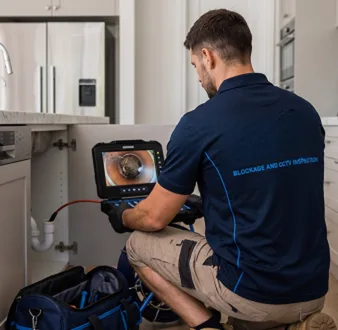
Drop sheets down first. Then the right tool for the blockage, closet auger for the pan, eel or jetter if it is sitting deeper in the line.
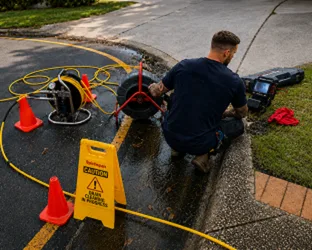
A first-time blockage with an obvious cause ends here. A repeat offender gets the camera, because the recurring ones are never about the toilet.

Roots cut and jetted, a damaged section relined, or a worn-out suite replaced: whatever the footage actually justifies, priced fixed before it starts.
One-bathroom household with a blocked toilet is an emergency in our book. Call, the line answers 24/7.
Cleared today, the cause named, a fixed price first: and the bathroom cleaner than we found it.

Leave your details and our local Wahroonga team will call you back fast.